

A forged steel valve is a type of valve made from forged steel, which is a high-quality material that has undergone a forging process to increase its strength, durability, and resistance to stress and fatigue. Forged steel valves are commonly used in high-pressure, high-temperature, and critical applications where reliability and strength are essential.
The forging process involves shaping the steel using compressive force (often heated) to form the valve body, rather than casting the steel. This results in a more refined material structure with fewer impurities, giving it superior mechanical properties.
How Are Forged Steel Valves Made?
1. Forging Process:
The steel is heated to a high temperature and then hammered or pressed into shape using mechanical force. This process aligns the grain structure of the steel, which improves its strength and toughness compared to cast materials.
2. Machining:
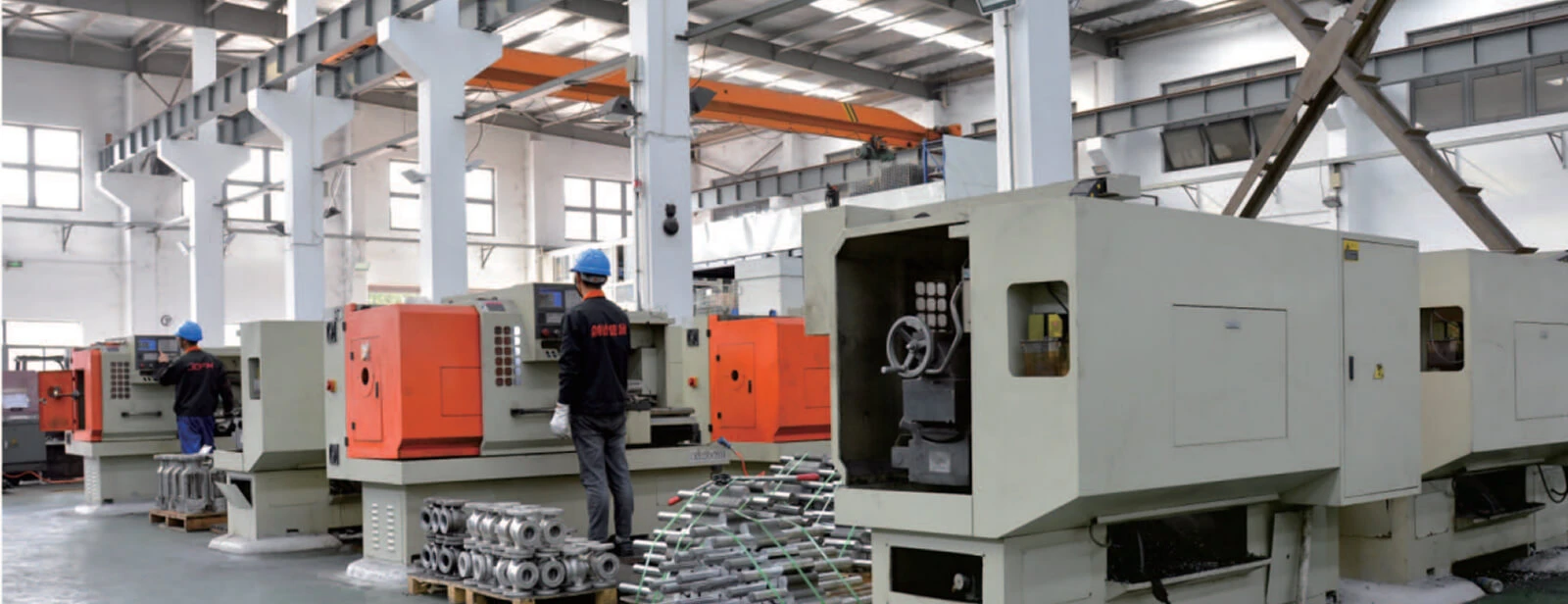
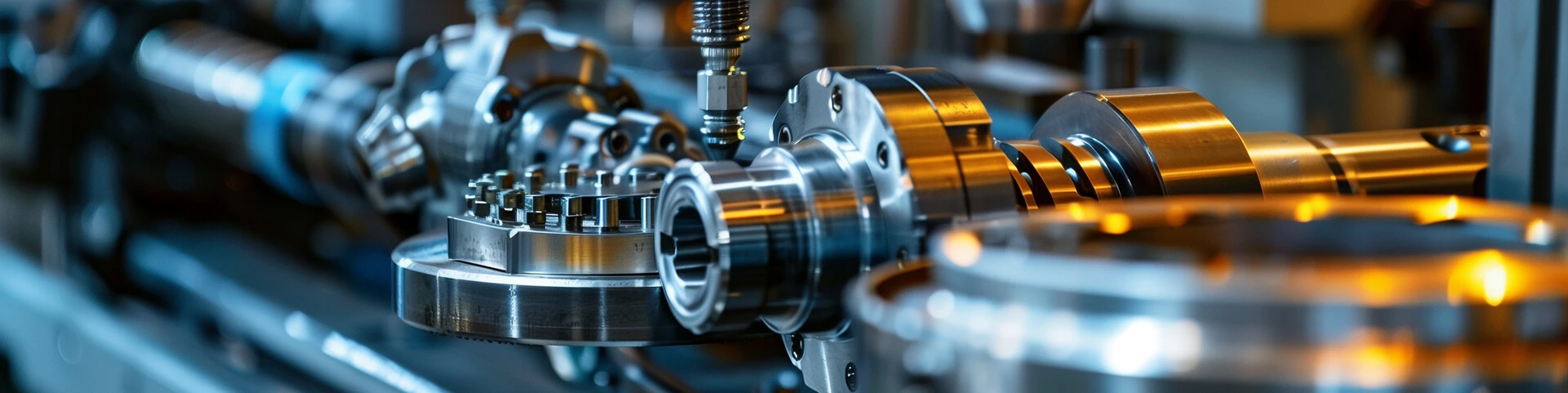
After the valve body is forged into shape, it is machined to create the final design. The machining process includes shaping the valve body, cutting threads, and making openings for valve components like the stem, seat, and disc.
3. Heat Treatment:
To further enhance the material properties, forged steel valves often undergo heat treatment, which involves heating and cooling the material in a controlled manner to improve hardness, toughness, and corrosion resistance.
Key Components of a Forged Steel Valve:
1. Body: The outer casing that contains all the internal components and connects the valve to the piping system.
2. Stem: The shaft that connects the valve actuator (handle, motor, etc.) to the internal valve mechanism (like a ball, gate, or disk).
3. Seats: The sealing surfaces that the valve mechanism (gate, ball, or disc) presses against to shut off or regulate the flow.
4. Disc, Ball, or Gate: These components move to open or close the valve and control the flow of fluid through the valve body.
5. Bonnet: The part that covers and houses the stem and other components, usually bolted or threaded onto the valve body.